MWANGOLO SHAIBU KOMBO
ABSTRACT
Climate change is a critical environmental justice issue that impacts both the mental and physical health of individuals, as well as access to essential resources such as food, air, shelter, and clean water. This is especially true for displaced persons living in camps, where their liberty and resources are severely limited. As a global challenge, climate change requires countries to adjust policies and ratify international agreements to work cooperatively in addressing its effects. A key agreement in this regard is the Vision 2030 Agenda for Sustainable Development, which emphasizes fairness, equitable sharing of the benefits and burdens from the management of environmental and natural resources, as well as the inclusive management of the environment. Climate crises, such as floods and droughts, undermine states’ efforts to achieve the 2030 Agenda, particularly Sustainable Development Goal (SDG) 15, which focuses on life on land. Floods and droughts are prevalent in the Horn of Africa and have some of the most devastating consequences in the region. This research adopts a case study approach to critically analyze the ongoing climate crises and their implications for environmental justice and SDG 15. It also employs a doctrinal and normative approach to explore the issues and propose potential solutions. The paper examines the direct consequences of climate crises, including displacement, conflict, food insecurity, and the scarcity of clean drinking water in the Horn of Africa. Additionally, it highlights other critical issues that require international attention and calls for eco-tourism as a potential mitigating factor for promoting environmental justice.
Key words: Eco-tourism; Rule of Law; Sustainable Development; Public Participation; environmental justice; Green energy; Climate adaptation
Environmental sustainability and climate security are essential for the survival of life on earth. Clean environment helps in maintaining stable climatic conditions, preserves biosphere, protect endangered species, preserves natural resources and protected areas.[1] The importance of the environment cannot be overstated, the survival of human, plants and animal life depends on environmental sustainability.[2] Thus, environmental sustainability is integral for attaining environmental justice.
Environmental justice denotes equitable distribution of the benefits and burdens involved in management of natural resources;[3] it also includes fairness and inclusive management of natural resources.[4] It is corollary to the principle of sustainable development, which connotes development that meets the needs of the present generation without compromising the ability of the future generations to meet their needs by maintaining the carrying capacity of the supporting ecosystems.[5]
The need to foster environmental sustainability as a step towards climate security, informed all the States globally to come together and combine efforts to combat climate change by introducing measures for reducing emissions and promoting environmental justice. Alternatively, the aftermath of wars also exacerbated the desire for global agreements on environment and climate governance.
For instance, during the first and the second world war, there was a massive destruction of forests and wildlife, including the European buffalo in Europe; Norway also witnessed the destruction of 15 million acres of property, crops, forests, and wildlife.[6]
In addition to this, chemical and biological weapons were used during the ancient wars in India in about 2000 BC and during the siege of Kaffa by the Mongols in 1300s, these incidents not only evidenced the devastating impact of these weapons to human beings, but also showed their long-term effects on both marine and terrestrial ecosystems.[7]
Impact of the world wars on the environment marked the beginning of a massive evolution of the law of war, purposely to regulate the conduct in armed conflicts,[8] to include the environment as among the primary casualties of war as opposed to the earlier policies that only protected the wounded, the sick, shipwrecked and civilian population.[9]
However, this did not sufficiently protect the environment especially with regards to non-conflict factors. As a result, States came together and enacted agreements such as the Brundtland Report, well known as “our common future report” of 1987, which associated the critical environmental problems with the enormous poverty and non-sustainable patterns of consumption; and called for a strategy that will balance development and environmental protection.[10] This formed the basis of sustainable development.
The Brundtland Report was followed by other main international agreements that aimed at investigating and managing global climate change, especially on the nature, properties and consequences of climate change to natural ecosystems.[11]Some of these agreements include the United Nations Framework Convention on Climate change (UNFCCC) of 1992, The Kyoto Protocol of 1997, the Rio Declaration on Environment and Development of 1992 and the Paris Agreement of 2015 as adopted under the UNFCCC.
In 2014 the 5th assessment report by the International Panel on Climate Change (IPCC) indicated a dramatic growth in Green House Gas (GHG) emission, it showed that the rate of emission between 2000 to 2010 was larger; despite the reduction efforts.[12] This informed states that without additional mitigation measures, there will be unprecedented rise in surface temperature,[13] this connotes that climate change is a global common threat that requires collective efforts to be addressed.[14] It was also noted that, the effects of climate change are no longer an issue of the developing countries but an issue that is becoming more dominant in industrialized and developed countries.[15]
The commonality of climate change implications forced states in the United Nations to adopt the 2030 Agenda for Sustainable Development with 17 goals connected in a way that the implementation of one contributes towards attaining another goal.[16] The 2030 Agenda is aimed at hitting at least 169 targets; for instance, protecting the planet earth, ensuring that all people enjoy health, justice and prosperity as well as to eliminate poverty.[17]
Worth noting, this paper gives priority to Sustainable Development Goal number 15 (SDG15) and it will only address other goals corollary to SDG15. SDG15 entails life on land,[18] which relates to protection, restoration and promotion of sustainable use of terrestrial ecosystems, combating desertification, sustainable management of forests, discontinue and reverse land degradation and cease biodiversity loss.[19]
Since the adoption of the vision 2030 Agenda, states have been ratifying international agreements, formulating institutions and policies to make the attainment of the vision 2030 a reality. International and regional conferences addressing climate change, for instance, the recent United Nations Climate Change Conference (Conference of Parties COP28) in the United Arab Emirates (UAE), that ran from 30th November to 12th December, 2023 with the desire to implement the goals in the Agreement of Paris,[20] which includes having reduced rate of Green House Gas emission.[21] Regionally, the African Climate Summit (ACS) of 2023 took place in Nairobi, Kenya from 4th to 6th September, 2023 alongside the African Climate Week (ACW) that also took place from 4th to 8th September 2023. The ACS called upon leaders to make ambitious commitments towards the adoption of a pledging and commitment framework; the ACW on the other hand addressed important themes such as the energy systems, industry, land, ocean, food, water, health and economy.[22]
Despite the multiple agreements and conferences, climate change is still a global threat; its implications such as drought and floods have become more common. For instance, due to the 2019-2020 drought, South-East Asia was forced to declare a state of emergency in four provinces.[23] The Horn of Africa is not exempted from the regions that are highly affected by the devastating effects of climate change implications, including prolonged drought and floods. For example,the 2023 heavy rains exacerbated by the El Niño weather pattern, which caused extensive flooding throughout the Horn of Africa.[24] Escalating displacement of people, food insecurity, health emergencies, scarcity of clean and safe drinking water, multiple death of livestock, insecurity, deforestation and damage of property; which makes it hard for states to achieve environmental justice.
Environmental justice entails the right to have access to natural resources, not to suffer disproportionately from environmental policies, laws and regulations, right to environmental information, participation and involvement in decision making.[25] this paper argues that climate change implications directly hinder the accessibility of these rights, thus, making climate change to be more of environmental justice issue.
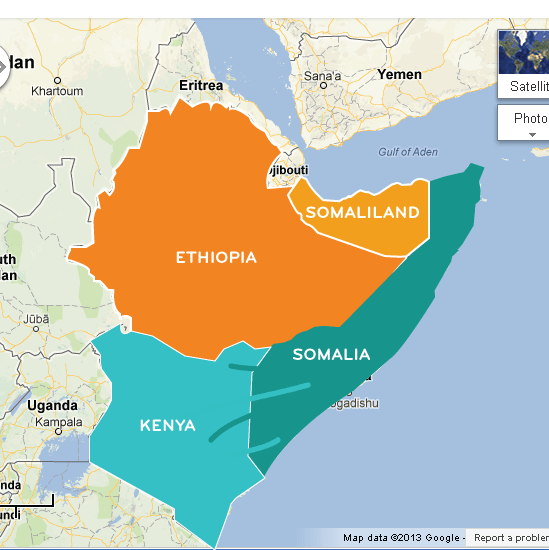
This research critically analyses the impacts of the ongoing climate and environmental crises in the Horn of Africa in relation to sustainable development goal number 15 and their implication on environmental justice. The paper relies on Kenya and Somalia to illustrate the suffering endured by States from the Horn of Africa resulting from climate change. The research is comprised of seven main parts; the introduction; Sustainable Development Goal 15, the Kenya and Somalia example; the regulatory framework; contemporary issues; recommendations and the conclusion.
2.0 UNPACKING SUSTAINABLE DEVELOPMENT GOAL 15
Sustainable Development Goal number 15 came into existence through the 2030 United Nations Agenda for Sustainable Development containing 17 goals. The 17 goals are connected in a way that the implementation of one contributes towards attaining another goal, as previously mentioned.[26] The 2030 Agenda primarily aims at hitting at least 169 targets which include; protecting the planet earth, ensuring that all people enjoy health, justice and prosperity as well as to eliminate poverty.[27]
Sustainable Development Goal number 15, which is the main focus of this paper, entails life on land.[28] Life on landrelates to the protection, restoration and promotion of sustainable use of terrestrial ecosystems, combating desertification, sustainable management of forests, discontinue and reverse land degradation and cease biodiversity loss.[29] These tenets are currently hard to achieve in the Horn of Africa due to the rampant climate change crises experienced in the region.
3.0 CLIMATE CHANGE CRISES IN KENYA AND SOMALIA AND THEIR IMPACT ON ENVIRONMENTAL JUSTICE AND SDG 15
Kenya and Somalia are among the countries from the Horn of Africa that have been hit by climate change for the past decades. Climate change, as noted earlier, is an environmental justice issue because its implications impact the important aspects of environmental justice; these aspects include fair treatment, meaningful involvement of all persons without discrimination, equitable future for the environment, equal right to a clean and healthy environment, food security, access to clean and safe water in adequate quantities, clean and safe air.[30]
A typical case, Somalia, was hit by drought to a point where they birthed the phrase, if your animals die, you die with them, to express the dire conditions.[31] In 2021 the International Committee of the Red Cross (ICRC) reported that the ground in Somalia was very dry with no food.[32] Something that resulted from the poor patterned rainfall, which caused large-scale crop failure and high levels of livestock death. In Somalia people sign as refugees after losing their animals to drought.[33] The drought in Somalia is destroying livelihoods. It also reduces the harvest and causes multiple death of livestock.[34] This directly impacts food security. For instance, in 2017 the number of malnourished children stood at 388,000, while the Internally Displaced Persons (IDPs) in Baidoa and Mogadishu were projected to suffer increased rate of malnutrition. Similarly, in 2020, almost 1.3 million people suffered food gaps.[35] It is imperative to note that drought is also affecting food security in Kenya and many communities are in dire need of humanitarian aid; for example, it was projected that in the year 2023, 5.4 million people suffered high levels of acute food insecurity, it was also established that the rate at which food insecurity affected people in Kenya increased by 43% as compared to the year 2022.[36]
Drought is also limiting access to clean and safe water for more than 33.5 million people in HoA, leading to a situation where the hungriest people are also the thirstiest in the region.[37] Most of the communities in Somalia and in Northern Kenya rely on boreholes as the main source of water. The two year drought experienced in these regions caused at least 90% of these boreholes to dry up.[38] Scarcity of clean drinking water in Somalia, as noted in 2021, forced communities to take dirty water; something that exposed them to the risk of contracting water borne diseases like cholera.[39] The World Health Organization (WHO) also had earlier reported that 5.5 million people in Somalia were at the risk of contracting acute watery airhead and cholera.[40] Similarly, in Marsabit and Samburu counties in Kenya, water scarcity exacerbates the humanitarian crisis among the communities who already are suffering from lack of food and pasture for livestock, all resulting from drought.[41]
Furthermore, it is commiserative to see that the people who are hungry and thirsty are also forced to leave their homes in search of food, water and pasture for their animals. Looking at Dadaab refugee camp in Eastern Kenya, the camp is becoming overcrowded with people fleeing drought in Somalia.[42] For instance, Amina Osman, a resident of Jilib Somalia but currently a refugee in Dadaab Camp, set forth that she had been a farmer for the whole of her life; growing mangoes, pawpaw and coconuts along Jubba River in Somalia.[43] She proceeded to recount how the river had been her main source of livelihood but then dried up following the long period of drought in the country, she further narrated that even the mangoes, that was sustaining her and her eight children, also dried up forcing her to flee with her children in search of water and food.[44]
According to Osman, they had to rely on strangers throughout their three week journey, something that saw two of her children dying before they could cross the border to Dadaab.[45] She also stated that this was her second time to be displaced from her homeland, the first time was in 2011 but she managed to go back, but this second time she has no hope of going back because of the severe drought.[46]
The short narrative above describes how the people at the Horn of Africa are in the grip of the worst drought with no end insight, and at the same time it appears like nobody is aware of this crisis in the other parts of the world. It should be noted that when these people are forced to migrate from their homeland, they always concentrate towards areas with water and fertile lands. Something that often results into conflicts among the displaced persons and those expected to sympathize by showing mercy to those arriving. Protracted drought in the northern part of Kenya spawn violent attacks between landowners and herders who travel long distance looking for pasture and water for their animals, something that according to reports, it is because of environmental degradation which intensifies disputes over land and water.[47]
With regards to climate change, communities in the Horn of Africa (HoA) rarely enjoy a break from climate change implications. Communities must endure the impacts of drought while preparing for the worst of floods. In October 2023, the HoA was experiencing the El Nino weather pattern that caused extensive flooding across the region; something that lead to crop damage, loss of lives, displacement of people, destruction of houses and death of livestock.[48]
This aggravated the dire humanitarian situation on communities that had not healed from the devastating effects of drought. In Somalia the heavy rains and floods affected about 2.48 million of the total population, Somali Disaster Management Agency (SODMA) reported that floods and heavy rains had displaced 899,000 people and claimed the lives of 118 people.[49] While this was happening in Somalia, some parts of Kenya namely, Garissa, Tana River, Isiolo, Mandera and Wajir were drastically affected by floods; causing almost 900,000 people to be displaced. There was also death to 120 people and large farmlands underwater, leading to drowning of almost 10,000 livestock and leaving hundreds of people homeless.[50]
At this point it is imperative to note that climate crises, such as those discussed above, destroy the ecosystem by interfering with environmental sustainability. Conflicts can easily lead to deforestation; floods cause massive land degradation while drought causes desertification and loss of biodiversity; an example here is the 2022 drought that hit Kenya leading to massive loss of wildlife in Tsavo National Park. These factors directly impact the attainment of SDG15, which cannot be achieved without establishing climate actions that secure the attainment of the remaining 16 goals of the 2030 agenda. Equivalently, conflicts prevent the states from taking tremendous climate actions and initiatives, on the same note; when people are hungry, thirsty, displaced and are fighting the devastating effects of conflicts, it is very hard for such people to come out and take part in climate and environmental action, in policy making or in the management of natural resources. Something that directly defeats the main goal of environmental justice. Therefore, to hasten the attainment of the sustainable development goal number 15 alongside other goals and also to improve on environmental justice in the horn of Africa; this research calls for the countries in the Horn of Africa to consider the following changes as a matter of urgency.
4.0 THE REQUIRED SHIFT OF ACTIVITIES IN KENYA AND SOMALIA
The change in activities include, prioritizing the construction of dams, promoting eco-tourism, conducting compulsory environmental education, taking early measures of disaster preparedness and adaptation programmes, encouraging community based conflict management systems, conducting research on the introduction of drought resistant crops and plants which can also detoxify the soils polluted during conflicts, encouraging the use of green energy and also strengthening legal instruments and adherence to these instruments.
5.0 CONSTRUCTION OF DAMS
Countries in the HoA should consider the construction of dams, dams are hydraulic structures of fairly impassable material built across a river to form a reservoir on its upstream side for seizing and holding water.[51] In Africa and South America the main purpose of dams is to support irrigation, while in Europe the main purpose is to control floods.[52]
It is worth noting that dams enable countries to divert and store flood-water as well as to control the release of stream water to residential areas.[53] This is one way of controlling floods and harvesting rain water. Effective control of floods improves environmental peace by reducing most of its devastating effects like; death of people, destruction of agricultural land, drowning of livestock, displacement of people, destruction of housing and infrastructure. Among the developed countries prone to floods and that have shifted to the use of dams as the mitigating measures include; the People’s Republic of China, which has a great deal of experience in floods and has since 1950, built large portion of the world’s dams.[54] Regionally, there is the Aswan high dam which has among its purposes to alleviate the Nile from flooding.[55]
A part from dams being instrumental in managing floods, it must be noted that dam water can also be used to provide water for farming. In some areas of the HoA farming is season based due to the fact that most of the rivers have seasonal changes in the amount of their water flow, sometimes they flood while other times water-flow slows to almost exuding; constructing dams across such rivers can help in equalizing water supply for crops throughout the year.[56] For instance, before the Nile River was dammed it used to overflow its banks every summer, allowing the Egyptian farmers to grow crops for one season each year on a narrow strip of land on either side of the river.[57] Currently the Aswan High Damstockpiles the Nile’s flood-water in a reservoir, the Lake Nasser, and releases a regular stream of water for farming year-round; which then enables farmers to cultivate hundreds of thousands of acres of formerly barren desert land.[58]
Therefore, dams are essential for protecting access to water, food security as well as protecting the ecosystem from the devastating effects of floods. The Government of Kenya, National Water Master Plan of 2030 has in its objectives; to conserve, preserve and protect all the available water resources, to ensure sustainable and rational allocation of the available water resources and to supply quality water in adequate quantities.[59] Thus, currently Kenya has taken the most ambitious mission to construct dams such as the Mwache, Ndarugu, Thiba, Thwake and Karimenu, that are expected to deal with the issue of water shortage and food security.[60] More importantly is that most of the vulnerable counties of Mandera and Marsabit that are known to suffer the most during the drought and flooding seasons have their fate not addressed, at the same time some of the mega dam projects like the Kimwarer dam have stalled owing to irregularities.[61] This then calls for the state to address corruption, it being undoubtedly among the irregularities.
Despite the challenges with the newly launched dam projects in Kenya, it is still important for Somalia to put into consideration projects like these ones. Somalia has two perennial rivers, Juba and Shabelle, which originates from the Ethiopian, despite these rivers having great seasonal variation in water flow they never dry up and are therefore the main source of water for the irrigated agriculture that is conducted along the plains for food production.[62] The research calls upon Somalia to consider the construction major dams across the two rivers, in doing so the government of Somalia should cooperate with the government of Ethiopia. This owes to the fact that in 2011 Somalia launched the Baardhere Dam and Water Infrastructure Project in Somalia that was objected by Ethiopia on basis of shared boundary resources.[63] Construction of the dams across the two rivers will take the country back to the 1990 where at least 220,000 hectares along the flood plains were under controlled irrigation, producing maize, sesame fruits and vegetables for local market while sugar cane and rice was produced for foreign market.[64] This will also deal with the issue of food security and water scarcity in Somalia.
After the mission to construct dams has been successfully commissioned, and there is easy access to food, access to clean and safe water and the devastating effects of drought and water have successfully been reduced. Countries in the HoA should shift priorities to promoting eco-tourism in the region as one way to reduce poverty and to promote inclusive management of environmental resources.
6.0 PROMOTING ECO-TOURISM
Eco-tourism refers to environmental responsible, enlightening travel and visit to the less disturbed natural areas purposely to enjoy and appreciate nature that promotes conservation, has truncated aftermath on the environment and provides for beneficially active socio-economic involvement of the local communities.[65] The relevance of eco-tourism to environmental justice owes to the fact that the principles of eco-tourism coincide with the principles of environmental justice. These principles include; having environmentally friendly infrastructures, to reduce the utilization of fossil fuels, to preserve local plants and wildlife, to support the natural ecosystem, to educate tourists and the communities on the requirements of conservation, and to improve financial benefits for the nation and for the communities residing around the protected area(s).[66] Eco-tourism also calls for community involvement in ensuring environmental sustainability in the protected areas.[67]
Eco-tourism can also be interpreted as tourism tool based on nature, ecological sustainability, environmental education and on benefits of the local community; it calls for the preservation of the integrity of the ecosystem, creation of economic opportunities and inclusive programmes for the local communities in protecting and conserving natural resources.[68]Eco-tourism in action can be seen in India, where the country has at least 80 national parks and 441 sanctuaries that protect and conserve wildlife resources, there are also Botanical and Zoological gardens to enhance the ecosystem and lastly, in India there are laws on illegality of poaching and tree trading.[69] The rights of animals and plants are well defined and championed for by various organizations.[70]
This research calls upon the countries in the HoA, beginning with Kenya and Somalia, to put into action eco-tourism. The research acknowledges the step taken by the president of the republic of Kenyan, Hon. Dr William Ruto, allowing 50% of the revenue generated from Tsavo national park to remain within Taita Taveta county. This is important because sharing the revenue with the communities in the county creates a sense of ownership and a strong incentive for the communities to actively participate in in the protection of wildlife and the park in general, it also socio-economically boosts the local communities as well as creating a conducive atmosphere for initiatives concerning the conservation of the park resources for the future.[71] Involving the local communities in sharing the revenue generated from the protected areas and also involving them in the conservation and protection of these areas is significant for it helps in reducing the rate of encroachment into the park, enhance the welfare of the park and security of the resources in the park. Therefore, Somalia should also employ similar tips as step forward towards commissioning eco-tourism in its major parks, like the Kismayo and Lag Badana-Bushbush national park.[72]
The research holds the belief that eco-tourism is significant in promoting environmental justice and in alleviating poverty in the HoA. However, it must be noted that eco-tourism cannot be realized without having adequate outreach programmes to educate the communities and the tourists on its role in protection of the environment.
7.0 STRENGTHEN ENVIRONMENTAL EDUCATION AND OUTREACH PROGRAMMES
This research calls upon all the countries in the HoA to ensure that environmental education is among the compulsory subjects taught in schools, in religion gatherings and in seminars. These seminars must make it their main subject the understanding of the significance of environmental protection, eco-tourism, sustainable development, importance of taking early measures of disaster management and the importance of having the communities participating in environment and climate actions and in making of environmental policies. Equivalently the communities must be made aware of their environmental related rights such as the right to clean air, food and water in adequate quantities and how to have these rights protected by the government.
Additionally, communities must be educated on the significance of taking part in tree planting initiatives. For instance, in 13th November 2023, Kenya made it a public holiday dedicated for a nationwide tree-planting initiative, which forms part of the presidential programme to expedite restoration of forests and range-lands that aims at planting 15 billion trees by 2032.[73] This event was in schools and by media houses, through which it was able to attract thousands of Kenyans from every part of the country. It is also imperative to note that on 13th June 2019 Somalia launched the network of environmental journalist, the first ever in the Horn of Africa, intended to unite media professionals to improve on reporting environmental issues such as degradation, climate change, pollution and deforestation as well as replacing charcoal with an alternative source of livelihood.[74]
The above examples show that, Somalia and Kenya, are trying as much as possible to foster outreach programmes, however, this is still not enough to achieve meaningful public participation. Therefore, there is a need to use the communities’ religion and education centers to pass awareness for the benefit of those who have no access to televisions and radios. During the awareness sessions, it is important to encourage the society to make use of community-based environmental conflicts management.
8.0 ENCOURAGING COMMUNITY-BASED ENVIRONMENTAL CONFLICTS MANAGEMENT
Conflicts are inevitable in human interactions, climate change implications such as drought initiates natural resources-based conflicts. Environmental conflicts are mostly linked to the use of and access to natural resources, and are mostly caused by unsustainable and unequal access to environmental resources.[75] These conflicts prevent the government from taking meaningful steps to mitigate environmental degradation and climate change.[76]
Community-based management of environmental conflicts involves the use of traditional methods of resolving conflicts such as negotiation, reconciliation and mediation. The advantage of the community-based mechanisms is that they are voluntary, collaborative, have the ability to consider alternatives, explore into the basis of the conflict and identify the relevant issues then the parties come up with a consensual agreement that ends the conflict.[77]
9.0 CONDUCT RESEARCH ON THE INTRODUCTION OF DROUGHT RESISTANT PLANTS
A part from constructing dams, promoting eco-tourism, environmental education and encouraging community-based management of environmental conflicts, this research also finds it fit for the countries in the HoA to dwell into research concerning the possibility of having drought resistant crops and plants in the region. This will alleviate the suffering endured by the vulnerable population due to food insecurity. For instance the International Committee of The Red Cross (ICRC) in 2021 in Somalia it worked with partners to develop maize and sorghum seeds that are immune to drought and distributed them to at least 60 agricultural cooperatives in the country.[78] This was followed by training of the communities on agricultural practices and encouraged to keep 70% of the production for their household and give the 30% to the vulnerable communities.[79] Herders were also supported through the introduction of Napier grass in the south, central and northern parts of Somalia, the grass has the ability to grow in large range of soils; it also improves soil fertility by detoxifying polluted soils, prevents soil erosion, and provides fodder for livestock.[80]
10.0 PUTTING INTO PLACE MEASURES OF DISASTER PREPAREDNESS AND ENCOURAGE CLIMATE CHANGE ADAPTATION
Early measures of disaster preparedness help in reducing disaster risks, disaster risk reduction not only covers non-climate related disasters such as earthquake but also covers climate related disasters such as floods, drought sand storms and storm surges.[81] Disaster preparedness also involves taking steps to prevent the negative impacts of disasters, this can be through building up of capacities before a disaster situation prevails in order to reduce impacts.[82] The measures of disaster preparedness include inter alia, having food reserve, emergency reserve fund, seeds reserve, having stable health facilities, warning systems, strong logistical infrastructure and relief manual.[83] This can also include offering specific training to the communities and encourage them to formulate partnerships where they can learn modern agriculture as well as identify exit routes prior to the falling of disasters.
Climate change adaptation on the other hand refers to the adjustments in socio-economic systems in response to climate change implications, it includes the changes in practice so as to minimize the potential damage or to benefit from climate change implications.[84] This can include the building of floods defences like dams, having early warnings systems, switching to drought resistant crops and reforming policies; for this to stand there must be adequate stakeholders engagement, financial support, enlargement of the political and civic space for sharing of knowledge, strengthening technical capacities and promotion of indigenous technological advancement.[85]
11.0 ENCOURAGING THE USE OF GREEN ENERGY
This research makes it an imperative for all the states in the Horn of Africa to optimize environmentally sustainable energy sources, encompassing wind energy, solar power, and electricity. Governments in the Horn of Africa can foster the adoption of environment-friendly energy practices by bolstering investment in renewable energy infrastructure and facilitating subsidies to alleviate the financial burden associated with transitioning to electric, wind, and solar energy solutions
The above shift of activities is important in mitigating the impacts of climate change crises that threaten environmental justice. However, this research brings into contention the fact that countries from the Horn of Africa must adhere to the legal framework below as one of the ways of protecting environmental justice and hastening the attainment of SDG15.
12.0 THE REGULATORY FRAMEWORK FOR PROTECTION OF THE ENVIRONMENT
Climate change crisis is an environmental justice issue and should be addressed with regulatory framework(s) for the protection of the environment, environmental rights and sustainable development. Therefore, countries from the HoA are invited by this research to revisit the following;
The Stockholm Declaration on the Human Environment[86] which was driven by the desire to have common principles that would inspire and guide the people in preservation and enhancement of the human environment.[87] This declaration was the first world conference that recognized the environment as an issue of international concern as it affects the well-being of people and development globally.[88] It therefore, contended that if the capability of man to transform the surrounding is wisely used then the resulting development can benefits all people with the opportunity to enhance quality life.[89] Thus, it imposed a responsibility on man to protect and improve the environment for the benefit of the present and future generation, which also includes the protection of natural resources such as land, water, flora and fauna for the present and future generations.[90] This conference also founded the United Nations Environment Programme (UNEP) whose main mission is to provide leadership and animate partnership in caring for the environment through inspiring, informing, and enabling nations and peoples to enhance the quality of life without compromising that of future generations.[91]
Additionally, there is the Brundtland (Our Common Future) report of 1987 that developed the concept of sustainable development as the guiding principle, it associated the global critical environmental patterns to poverty and unsustainable consumption and production patterns.[92] It is further contended in the Rio Declaration on Environment and Development of 1992, that human beings are at the centre of sustainable development concerns and therefore, are entitled to a healthy and productive life in harmony with nature.[93] This then requires that in addressing human needs, people must all equally and meaningfully participate in the sustainable development agenda.[94] Thus, the Agenda 21, recognizes the participation of all the groups including indigenous people and local communities in policy making and in decision making especially regarding sustainable development.[95] Agenda 21 is also held as among the global efforts addressing the critical challenges faced by the world today as well as preparing the world for the future, it reflects a global consensus and political commitment with regards to development, environment cooperation and protection of the atmosphere.[96]
Going forward, the United Nations Framework Convention on Climate Change (UNFCCC) of 1992 aims at combating harmful interference with climate sustainability systems through states determination and commitment to adopt policies to protect climate systems for the present and the future generations.[97] It also focuses on limiting greenhouse gas emission and strengthening global response to climate change threat.[98] This convention is said to have been operationalized by the Kyoto Protocol of 1997 which mandates individual countries to cut-down the rate of greenhouse gas emissions to the agreed targets, as well as binding developed countries and placing a heavier burden on them under the principle of common but differentiated responsibility and respective capabilities; due to the fact that these countries are largely responsible for emitting greenhouse gas to the atmosphere.[99] This should be read in line the Paris Agreement of 2015 which aims at strengthening global response to climate change threat by reducing temperature rise to 1.5 degrees, increasing countries’ ability to deal with the devastating effects of climate change, ensuring consistent flow of finance with reduced greenhouse gas emission and climate resilient pathway, support to developing countries and vulnerable countries as well as the development of new technology framework.[100]
It is imperative to note that, the need for countries to present strong national actions, support developing countries to adapt the impacts of climate change and to build resilience as well as limiting emissions; were among the main subjects in the 26th Conference of Parties (CoP26) in Glasgow.[101] The conference acknowledged the increasing impacts of climate change on the developing countries and therefore, called for the need to reverse forest loss and land degradation; as well as strengthening network that connects the vulnerable countries with providers of technical assistance, knowledge and resources necessary to mitigate climate change risks.[102] The 28th Conference of Parties also recognized the fact that in reducing emissions especially those from fossil fuels, as one way to reduce the climate change risks, the developing countries must be supported.[103]
It is also important to recognize the East African Climate Change Policy of 2011, which aims at promoting sustainable development in the region by recommending climate change mitigation measures such as reverse of forests loss, efficient crop and livestock production, irrigation, protection of wildlife and vulnerable ecosystems.[104]
The Countries from the HoA must also revisit their national legislation(s), for instance Kenya should check the Constitution and the Climate Change Act of 2016 that provides for mitigation and adaptation of the impacts of climate change
Despite having the framework above and also the fact that the Conference of parties 26 (CoP26) emphasized on the fact that communities in fragile States should not be overlooked by climate action, countries from the HoA are still grappling with climate change.[105] It is urged that the vulnerability of the states in the HoA to climate change crises is exacerbated by factors like conflicts, decline of the rule of law, poverty, government inefficiency and health crises; which are often overlooked despite directly impacting life on land as well as environmental justice. It is worth noting that some of these factors go beyond the power of the countries from the HoA, thus, they require a global voice to be addressed. These factors are discussed in detail below as contemporary issues and challenges;
13.0 CONTEMPORARY ISSUES AND CHALLENGES THAT CALL FOR A GLOBAL ACTION
13.1 Armed conflicts
Armed conflicts have multifaceted, severe, irreversible and long-term effects on the environment.[106] The impacts of war to climate security are mostly indirect and often go unnoticed by belligerent parties and they spread beyond the conflicting zones. It should be noted that during war the rate of carbon emission, destruction of property and deforestation increases, for instance the first seven months of the Russian-Ukraine war saw almost 100 million tons of carbon released to the atmosphere, with the war also causing widespread deforestation.[107]
There is no doubt that the countries deemed most vulnerable to climate change, many are mired in conflicts; with Sudan and Somalia included.[108] This is because conflicts hinder a states’ ability to come up with climate actions and also hinders the global efforts to cut-down emissions and to implement environmental policies. Surprisingly, those whose actions cause harm to the environment during war mostly face no charges, because of state sovereignty and jurisdiction limitations. Thus, the environment is more often not a priority of the belligerent parties during hostilities. For instance, the war in Palestine is reported to have caused a wide range of water contamination; damage of Gaza’s water sanitation and hygiene infrastructure that make flooding more likely in the region following the winter rains; the war also requires a vast of fossil fuels which increases the rate of carbon emissions and environmental pollution.[109] Equivalently, the ongoing war in Sudan is likely to cause unsustainable exploitation of resources, deforestation and minimal investments in sustainable development.[110]
13.2 Decline of the rule of law
Many a times, the international environmental policies appear not to apply equally among states, the most powerful states mostly do not abide with these policies when it comes to protecting the environment of the developing countries. What the powerful countries do is, they open up projects with potential impacts to the environment in Africa. The damage the environment of the developing countries, while safeguarding there, with multiple industrial investments and when the situation worsens they pretend not to be aware of the dire situation in Africa. A typical case is that of the London Distillers Kenya Limited (LDK) which is also located in other East African countries. The company was once accused of causing pollution, including releasing of effluents that did not meet the required standards, with the ability to cause long-term health complications to families, expectant mothers and children.[111] This is something that the owners of this company cannot do in their home country. On the same note British high street footwear brand Clarks announced its intention to double the number of stores it has in Africa, which includes opening stand-alone stores in Tanzania and Uganda as well as increasing its presence in Kenya, where it is already in existence.[112] In as much as this advert seems to bring development in Africa, the environmental impacts of it is not something to be overlooked.
Furthermore, the developed countries have been using the Sub-Saharan Africa as a dumping site for goods that do not meet the required standards in their home countries and sale at a lower price regardless of the harm that may result to the environment. This is despite the dumping restrictions set by the World Trade Organization (WTO) on anti-dumping.[113]It should be noted that; while the United Nations Conferences call for an urgent climate action, European countries are still dumping electronic waste in Kenya under the coat of exporting second hand appliances, this is harms the citizens and the environment in Kenya and it also contravenes both the Basel Convention and the European Union Waste Shipment Regulation.[114] Most of this e-waste comes from the United Kingdom, India, United States and Germany. In 2021 the Kenyan government detained a controversial Danish-flagged cargo ship loaded with harmful nuclear waste at the port of Mombasa, alleged to have been meant for the Tanzanian coast.[115] Moving out of the HoA, in 2016 major European oil companies and commodity traders were reported to exploit the weak fuel standards in African countries to export highly polluting fuels that they could never sell at the pumps in Europe, among the noted companies include the Swiss commodity traders Trafigura and the Vitol.[116]
13.3 Government inefficiency
This is attributed to long-period of conflicts that, as noted earlier, hinders the country’s efforts to conduct climate and environmental sustainability actions. For instance, records indicate that before the collapse of the former Somali government in 1990, over 220,000 hectares of land along the flood plains were under controlled irrigation farming; with maize, sesame, fruits and vegetables grown for local market, while sugarcane and rice grown for both local and foreign markets.[117] Since the collapsing of the government in the 1990s, Somalia is struggling with climate change implications, with the notable ones being floods and drought that are known to have triggered food insecurity and scarcity of clean and safe drinking water. Government inefficiency is also caused by lack of transparency, corruption and unaccountable institutions to implement the environmental policies; as well as lack of people centred laws and institutions to promote trans-formative climate actions and to conduct climate vulnerable empowerment.
14.0 RECOMMENDATIONS
14.1 Strengthening the rule of law
This research calls for global equality in respecting policies set to protect the environment, this will turn-down the present perception where the policies are taken as to apply only to the developing and the less developed countries. Strengthening the rule of law will restrain the European countries from taking advantage over the poor African countries. This will mark the end of dumping of electronic and nuclear waste, exporting products that injure the environment as well as halting European investments that harm the environment in Africa.
14.2 International and domestic Prosecution of Environmental Crimes
Prosecution of environmental crimes would serve to deter individuals from taking on actions that harm the environment during hostilities. The case of Prosecutor v. Ahmad Al Faqi Al Mahdi,[118] should be used as an insight to introduce strict measures for the prosecution of individual perpetrators of crimes against the natural environment. In the Almahid case the International Criminal Court (ICC) sentenced Almahid to a nine-year prison term for intentionally directing attacks against religious and historical buildings in Timbuktu, Mali.[119]
The research acknowledges the that state sovereignty and jurisdiction immunity makes it hard for countries to prosecute cross-boundary environmental crimes, therefore, this research calls for regional agreements that will allow regional prosecution of the perpetrators of crimes against the natural environment.
14.3 Strengthening Government efficiency
Government inefficiency, as noted earlier, is exacerbated by poverty in the HoA. Therefore, this research calls upon the developed countries to respond to and to support the people-centered initiatives developed by countries vulnerable to climate change. More so for initiatives that address environmental equality specifically with regard to the marginalized and low-income people that are often subjected to disproportionate environmental burdens.
Financial support to the vulnerable countries in the HoA, can also foster government efficiency by allowing the countries to embark on policy development and environment inclusive programmes. The research also calls upon the individual countries from the HoA to uphold transparency, accountability and public participation in promoting environmental policies.
15.0 CONCLUSION
The Horn of Africa (HoA) is confronted with a myriad of challenges including biodiversity loss, ecosystem degradation, pollution, and the escalating crises of climate change. These issues compound environmental injustices by disproportionately impeding the enjoyment and protection of fundamental human rights. As documented by the United Nations Development Programme (UNDP)[120] and studies such as one by Resnik,[121] these environmental challenges directly threaten rights such as access to a clean and healthy environment, sufficient and safe water, an adequate food supply, the right to health, and equitable management of natural resources. Particularly vulnerable to these infringements are marginalized populations, including displaced persons and People Living with Disabilities (PWDs), who bear the brunt of the adverse consequences.
In conclusion, it is imperative for countries within the Horn of Africa (HoA) to prioritize comprehensive measures aimed at both protecting and promoting the restoration of the environment. These measures should encompass sustainable development initiatives, combat desertification, effectively manage forests, and address the pressing issues of biodiversity loss and land degradation. Central to these efforts is the adherence to Sustainable Development Goal 15 (SDG15), which underscores the significance of preserving life on land.
To achieve these objectives, the construction of dams stands out as a critical strategy, ensuring a consistent water supply for irrigation and domestic use while mitigating the adverse impacts of floods, such as soil erosion and ecosystem destruction. Moreover, the promotion of eco-tourism emerges as a multifaceted solution, fostering sustainable economic development and empowering local communities to actively engage in ecosystem management and biodiversity conservation efforts.
Furthermore, fostering the cultivation of drought-resistant plant species and enhancing land fertility in areas affected by droughts and floods are essential steps towards environmental resilience. Equally important is the implementation of community-based approaches to manage environmental conflicts, as this fosters peace and creates an enabling environment for effective outreach programs and environmental education initiatives.
In addressing long-standing challenges such as the decline in the rule of law in international environmental policy promotion, conflicts, poverty, and health hazards, a concerted effort is required. This entails strengthening the rule of law to ensure equitable application of international environmental policies, enhancing government efficiency, and bolstering domestic judicial mechanisms to address environmental crimes effectively.
Recognizing the urgent need to mitigate the impacts of climate and environmental crises in the HoA, efforts towards environmental justice must be prioritized. By implementing the discussed strategies and solutions, the journey towards achieving SDG15 by 2030 can be expedited. Additionally, further research, particularly on innovative approaches like the use of Genetically Engineered Grass for soil detoxification, is encouraged to address emerging environmental challenges comprehensively.
* Mwangolo Shaibu holds a Bachelor of Laws (LLB) degree from the University of Embu, Kenya. His research interests encompass International Human Rights & Humanitarian Law and Environmental Justice. You can reach him via: mwangoloshaibu@gmail.com
[1]Crystal Cleaner, Benefits of cleaning. Para2< https://www.crystalclearkc.com/professional-cleaning-services/benefitsofcleaning/#:~:text=Cleaning%20the%20environment%20is%20the,preserve%20the%20earth’s%20natural%20resources.>accessed 6th December, 2023
[2] Muigua, K., Attaining Environmental Justice for Prosperity, Volume (Glenwood Publishers Limited, 2022)p341
[3]Sanchez Torres, Environmental justice issues & examples (Study.com, 2023)para1< https://study.com/academy/lesson/what-is-environmental-justice-definition-principles-examples-issues.html >accessed 6th December, 2023
[4] Muigua(n2)p543
[5] The United Nations World Convention on Environmental Development (WCED), “Our Common Future” (1987)p44. Also see the Bench Book on Environment and Land Matters (The Judiciary, 2016) p22
[6] Swintek Philip, The Environmental Effects of War; Student Theses 2001-2013. 71. (2006) p4< https://fordham.bepress.com/environ_theses/71>accessed 6th December, 2023
[7] Swintek(n6) p3
[8] Crwaford E. & Pert A., International Humanitarian Law, 2nd edition (Cambridge University Press, 202) p30
[9] See the four Geneva Conventions and their Additional Protocols & the Customary International Humanitarian Law, on protection of the natural environment in armed conflicts.
[10] Federal office for spartial development ARE, 1987: Brundtland Report. Para2< https://www.are.admin.ch/are/en/home/media/publications/sustainable-development/brundtland-report.html>accessed 6th December, 2023
[11] Judiciary Training Institute (JTI), The Bench Book on Environment and Land Matters (The Judiciary, 2019)p209
[12] Ottomar E., Climate Change 2014: Mitigation of Climate Change; 5th Assessment Report (IPCC, June 2014)pp4-29< https://unfccc.int/sites/default/files/1_edenhofer_sbsta-ipcc_special_event_6june.pdf>accessed 7th December, 2023
[13] Ottomar(n12)p30
[14]USAID, Climate change: Advancing Global Climate Action (2023)para1. Available at< https://www.usaid.gov/climate > accessed 7thDecember, 2023
[15] Geraldine Terry, No climate justice without gender justice: an overview of the issues (2009)p5-18. Available at<https://www.tandfonline.com/doi/10.1080/13552070802696839>accessed 7th December 2023
[16] World Health Organizatio, Sustainable Development Goals (2015)para1< https://www.who.int/europe/about-us/our-work/sustainable-development-goals#:~:text=Section%20navigation&text=The%20Sustainable%20Development%20Goals%20(SDGs,enjoy%20health%2C%20justice%20and%20prosperity.>accessed 7th December, 2023
[17] World Health Organization(n16) para1
[18] Population and Sustainable Development Goals, Goal number 15< https://populationmatters.org/un-sdgs/?gad_source=1&gclid=CjwKCAiA98WrBhAYEiwA2WvhOpw7Ksst7t5tpXtsl_OiP2djHIca5VH_FMfHeIAAvO9RzSPIg9oKcxoC7zoQAvD_BwE>accessed 7th December, 2023
[19] The United Nations Department of Economic and Social Affairs: Sustainable Development Goal 15< https://sdgs.un.org/goals/goal15#:~:text=Protect%2C%20restore%20and%20promote%20sustainable,degradation%20and%20halt%20biodiversity%20loss> accessed 7th December, 2023
[20] The Paris Agreement is a legally binding international treaty on climate change. It was adopted by 196 Parties at the UN Climate Change Conference (COP21) in Paris, France, on 12 December 2015. It entered into force on 4 November 2016< https://unfccc.int/process-and-meetings/the-paris-agreement?gclid=CjwKCAiA98WrBhAYEiwA2WvhOhLRiv4K1U7aFQZB8zdPPlRR_jxwHRj51RnQJTs05dzleg1LBty1iBoCCnUQAvD_BwE>accessed 7th December, 2023
[21] Everything you need to know about COP (2023)para4-7< https://www.globalwitness.org/en/blog/everything-you-need-know-about-cop/?gclid=CjwKCAiA98WrBhAYEiwA2WvhOoxKW-5PPOYVsZ5DJ27fzim57XLYH9GKUR_g7tvdoAZtiUvNvTyJ5xoCydMQAvD_BwE>accessed 7th December, 2023
[22] United Nations Environmental Programme, Conference; Africa Climate Week & Summit (2023)< ttps://www.unep.org/events/conference/africa-climate-week-summit-2023>accessed 7th December, 2023
[23] Reliefweb, Southeast Asia: Drought – 2019-2020, (OCHA, 2021) para1< https://reliefweb.int/disaster/dr-2019-000113-phl >accessed 7thDecember, 2023
[24] Reliefweb, El Niño-Induced Floods Devastate the Horn of Africa (OCHA, 2023)para1< https://reliefweb.int/report/somalia/el-nino-induced-floods-devastate-horn-africa#:~:text=CARE%2C%20NAIROBI%2C%20Kenya%20%E2%80%93%20November,Somalia%2C%20Kenya%2C%20and%20Ethiopia.> accessed 7th December 2023
[25] Muigua, K., Wamukoya, D. & Kariuki, F. Natural resources and Environmental Justice in Kenya (Glenwood publishers Lmimited, 2015)p56
[26] World Health Organizatio, Sustainable Development Goals (2015)para1< https://www.who.int/europe/about-us/our-work/sustainable-development-goals#:~:text=Section%20navigation&text=The%20Sustainable%20Development%20Goals%20(SDGs,enjoy%20health%2C%20justice%20and%20prosperity.>accessed 7th December, 2023
[27] World Health Organization(n26)para1
[28] Population and Sustainable Development Goals, Goal number 15< https://populationmatters.org/un-sdgs/?gad_source=1&gclid=CjwKCAiA98WrBhAYEiwA2WvhOpw7Ksst7t5tpXtsl_OiP2djHIca5VH_FMfHeIAAvO9RzSPIg9oKcxoC7zoQAvD_BwE>accessed 7th December, 2023
[29] The United Nations Department of Economic and Social Affairs: Sustainable Development Goal 15< https://sdgs.un.org/goals/goal15#:~:text=Protect%2C%20restore%20and%20promote%20sustainable,degradation%20and%20halt%20biodiversity%20loss>accessed 7th December, 2023
[30] Patnaik, M. & Lasho, T., Genomics of myelodysplastic syndrome/myeloproliferative neoplasm overlap syndromes (National Library of Medicine, 2020)< https://pubmed.ncbi.nlm.nih.gov/33275756/>accessed 9th December 2023: Why both the climate change and air pollution crises are environmental justice issues (Clarity, 2022)para1< https://www.clarity.io/blog/why-both-the-climate-change-and-air-pollution-crises-are-environmental-justice-issues>accessed 9th December 2023
[31] The ICRC, If your animals die, you die with them” – Somali herders defenceless against the climate crisis (United Kingdom, 2021)para1< https://www.icrc.org/en/document/somalia-herders-climate-change-conflict-crisis>accessed 9th December 2023
[32] ICRC(n27)
[33] Reliefweb, Somalia: Drought – 2015-2023 (OCHA, 2023) para1-17< https://reliefweb.int/disaster/dr-2015-000134-som>accessed 9thDecember 2023
[34] Relefweb(n29)
[35] Reliefweb(n29)
[36] Sally Beth Anyanga, Severe drought is projected to leave about 5.4 million people in Kenya without adequate access to food and water between March and June 2023 (International Rescue Committee, 2023)para1< https://www.rescue.org/press-release/irc-severe-drought-projected-leave-about-54-million-people-kenya-without-adequate#:~:text=Press%20Release-,IRC%3A%20Severe%20drought%20is%20projected%20to%20leave%20about%205.4%20million,between%20March%20and%20June%202>accessed 9th December 2023
[37] Oxfam International, One in five persons don’t have enough water in drought-stricken East Africa:Up to 90% of water boreholes in parts of Somalia, Northern Kenya and Southern Ethiopia have entirely dried up (2023)para1< https://www.oxfam.org/en/press-releases/one-five-persons-dont-have-enough-water-drought-stricken-eastafrica#:~:text=Up%20to%2090%25%20of%20water,have%20enough%20safe%20drinking%20water. >accessed 10th December 2023
[38] Oxfam International(n33)
[39] Gamal Mohamed Hassan, Somalia drought impact and needs assessment: Synthesis report V.1. page 18<https://www.gfdrr.org/sites/default/files/publication/GSURR_Somalia%20DINA%20Report_Volume%20I_180116_Lowres_0.pdf>accessed 10thDecember 2023
[40] The World Health Organization, Outbreak update: Cholera in Somalia (2017)< http://www.emro.who.int/pandemic-epidemic-diseases/cholera/cholera-situation-in-somalia-february-2017.html>accessed 10th December 2023
[41] Julius Chepkwony, Food, water crisis hits Marsabit and Samburu, (The Standard, 2022)para1&< https://www.standardmedia.co.ke/health/north-eastern/article/2001457104/food-water-crisis-hits-marsabit-and-samburu>accessed 11th December 2023
[42] Abdullahi, M., Kenya’s Dadaab struggles with new influx of Somalis fleeing drought (UNHHCR The UN Refugee Agency, 2023)para1< https://www.unhcr.org/news/stories/kenya-s-dadaab-struggles-new-influx-somalis-fleeing-drought>accessed 11th December 2023
[43] Abdullahi(n38)
[44] Abdullahi(n38)
[45] Abdullahi(n38)
[46] Abdullahi(n38)
[47] International Crisis Group, Absorbing Climate Shocks and Easing Conflict in Kenya’s Rift Valley (2023)para1&2< https://www.crisisgroup.org/africa/east-and-southern-africa/kenya/b189-absorbing-climate-shocks-and-easing-conflict-kenyas-rift#:~:text=A%20protracted%20drought%20in%20the,are%20also%20on%20the%20rise.>accessed 11th December 2023
[48]Reliefweb, El Niño-Induced Floods Devastate the Horn of Africa (OCHA, 2023)para1< https://reliefweb.int/report/somalia/el-nino-induced-floods-devastate-horn-africa#:~:text=CARE%2C%20NAIROBI%2C%20Kenya%20%E2%80%93%20November,Somalia%2C%20Kenya%2C%20and%20Ethiopia.>accessed 11th December 2023
[49]Reliefweb, Somalia Situation Report (OCHA, 2023)para2< https://reliefweb.int/report/somalia/somalia-situation-report-11-dec-2023#:~:text=The%20number%20of%20people%20affected,end%20of%20the%20deyr%20season.>accessed 11th December 2023
[50] Africa, Death Toll Rises to 120 in Kenya Floods (Reuters and Agence France Presse, 2023)para1-3< https://www.voanews.com/a/death-toll-rises-to-120-in-kenya-floods/7374018.html>accessed 11th December 2023
[51] Mahajan, B., 12 Types of Dams With Practical Examples. Para1< 12 Types Of Dams With Practical Examples (civiconcepts.com) >accessed 17th December 2023
[52] Alice, T., Johannes, U. & Wolfram S., Power of the river: introducing the global dam tracker (gdat) (Columbia sipa centre on global energy policy, 2018)p8< https://www.energypolicy.columbia.edu/sites/default/files/pictures/GlobalDams_CGEP_2018.pdf>accessed 17th December 2023
[53] National conference of state legislatures, Flood Mitigation (2019)para7< https://www.ncsl.org/environment-and-natural-resources/flood-mitigation#:~:text=Forms%20of%20Flood%20Mitigation&text=They%20include%20floodwalls%2Fseawalls%2C%20floodgates,%2C%20subdivision%2C%20and%20building%20codes.>accessed 18th December 2023: also see the the FEMA report of 2017 < https://www.fema.gov/>accessed 18th December 2023
[54]Lempérière, F., Research Hydro Projects Review: Dams and Floods, Engineering3 (Elsevier, 2017) p44< http://www.elsevier.com/locate/eng>accessed 18th December 2023
[55] Aswan High Dam, River Nile, Sudan, Egypt. Para5< https://www.water-technology.net/projects/aswan-high-dam-nile-sudan-egypt/#:~:text=With%20a%20reservoir%20capacity%20of,improving%20navigation%20across%20the%20Nile.>accessed 18th December 2023
[56] Encyclopaedia Britannica, Dams: Why people build dams (2023)para6< https://kids.britannica.com/students/article/dam/273655#:~:text=Irrigation%20dams%20built%20on%20such,either%20side%20of%20the%20river.>accessed 19th December 2023
[57] Encyclopaedia Britannica(n52)
[58] Encyclopaedia Britannica(n52)
[59] USAID Kenya, Water and Development Country Plan (2017) p2<https://www.globalwaters.org/sites/default/files/kenya_country_plan.pdf>accessed 19th December 2023
[60] Andeso, A., List of Ongoing Mega Dam Projects in Kenya (CK, 2023) < https://www.constructionkenya.com/8360/dam-projects-kenya/>accessed 19th December 2023
[61] Andeso(n57)para9
[62] Food and Agriculture Organization of the United Nations, Surface water (2023)para1&2< https://www.faoswalim.org/water/water-resources/surface-water#:~:text=The%20major%20surface%20water%20resources,but%20never%20dry%20up%20completely.>accessed 19 December 2023
[63] Salman M. A. Salman , The Baardhere Dam and Water Infrastructure Project in Somalia—Ethiopia’s objection and the World Bank response, Hydrological Sciences Journal, 56:4, 630-640, DOI: 10.1080/02626667.2011.574139 (Taylor &Francis, 2011)p630< https://doi.org/10.1080/02626667.2011.574139>accessed 19th December 2023
[64] Reliefweb, The Juba and Shabelle rivers and their importance to Somalia (OCHA, 2023)para5< https://reliefweb.int/report/somalia/juba-and-shabelle-rivers-and-their-importance-somalia>accessed 19th December 2023
[65] Alimov A,. Kamilovich A…..& Hakimbay M., Ecotourism development in the republic of Karakalpakstan:historical places and protected areas; Ecotourism, Tourism in National Parks and Protected Areas, Community Tourism (Journal of Critical Reviewers Vol.7 issue 12, 2020)p1258< https://doi.org/10.31838/jcr.07.12.220 >accessed 19th December 2023
[66] Earth remainder, Ecotourism: Principles, Benefits and Examples of E co-tourism (2016)para9< https://www.earthreminder.com/ecotourism-principles-benefits-and-examples/>accessed 19th December 2023
[67] Alimov(n62)p1261
[68] Eco India, Ecotourism in India< http://www.ecoindia.com/eco-tourism-in-india.html>accessed 19th December 2023
[69] Eco India(n62)
[70] Eco India(n62)
[71] Paula, K., Sharing Revenue from Tsavo National Park: A Game-Changer for Kenya’s Wildlife Conservation? My take (2023)para6,7&8< https://www.drpaulakahumbu.com/national-park-to-give-away-50-of-its-revenue-to-tsavo/>accessed 19th December 2023
[72] Tripadvisor, National parks in Somalia (2023)para1&2< https://www.tripadvisor.com/Attractions-g294439-Activities-c57-t67-Somalia.html>accessed 19th December 2023
[73] Micro and Small Enterprises Authority, Observing Kenya’s national tree planting day: committing to a more sustainable tomorrow (2023)para1< https://msea.go.ke/observing-kenyas-national-tree-planting-day-committing-to-a-more-sustainable-tomorrow/#:~:text=Kenya%20celebrated%20a%20special%20public,15%20billion%20trees%20by%202032.>accessed 19th December 2023
[74] The United Nations Environmental programme, Somali media launch first-ever network of environmental journalists (2019)para 2&3< https://www.unep.org/news-and-stories/press-release/somali-media-launch-first-ever-network-environmental-journalists>
[75] Muigua, K., Environmental conflict management in the Kenyan context – enhancing the use of alternative dispute resolution mechanisms (2010)p1< https://land.igad.int/index.php/documents1/countries/kenya/conflict3/554environmentaconflictmanagementig-theuseofalternativedisputeresolutionmechanisms/file#:~:text=These%20include%20negotiation%2C%20mediation%2C,i>accessed 19thDecember 2023
[76] ICRC, Climate change and conflict threaten Somali herders (Climate centre, 2021)< https://www.climatecentre.org/5525/icrc-climate-change-and-conflict-threaten-somali-herders/>accessed 19th December 2023
[77] Muigua K. (n72) p18
[78] The International Committee of the Red Cross (ICRC), If your animals die, you die with them” – Somali herders defenceless against the climate crisis (2021)para32&33< https://www.icrc.org/en/document/somalia-herders-climate-change-conflict-crisis>accessed 20th December 2023
[79] ICRC(n75) para33
[80] ICRC(n75) para34
[81] Climate change adaptation and disaster risk reduction< https://www.worldvision.com.au/global-issues/work-we-do/climate-change/climate-change-adaptation-and-disaster-risk-reduction#:~:text=There%20is%20significant%20overlap%20between,droughts%2C%20cyclones%20and%20storm%20surges. >accessed 6thJanuary 2024
[82] Sena L. & Michael K, Disaster prevention and preparedness (Ethiopia Public Health Training Initiative, 2006)p4< https://www.humanitarianlibrary.org/sites/default/files/2013/07/DisasterPreventionPreparedness.pdf>accessed 6th February 2024
[83] Sena L(n83)p4
[84] United Nations Climate Change; CoP28, Adaptation and resilience (2023)< https://unfccc.int/topics/adaptation-and-resilience/the-big-picture/introduction >accessed 6th February 2024
[85] United Nations Climate Change(n85)
[86] 1972
[87] The United Nations Conference on Human Environment (Stockholm Declaration) 1972, the preamble
[88] United Nations, Conferences Environment and Sustainable development: United Nations Conference on the Human Environment, 5-16 June 1972, Stockholm; Background (United Nations, 1972)para1< https://www.un.org/en/conferences/environment/stockholm1972accessed 21stDecember 2023
[89] United Nations (n79)principle 2. See also; Muigua, K. Nurturing our environment for sustainable development (Gleenwood Publishers Limited, 2016)p30
[90] United Nations(n79)principle3.See also; Muigua, K. Nurturing our environment for sustainable development (Gleenwood Publishers Limited, 2016)p30
[91] United Nations Environment Programme (UNEP)< https://www.un.org/youthenvoy/2013/08/unep-united-nationsenvironmentprogramme/#:~:text=The%20United%20Nations%20Environment%20Programme,country%2C%20regional%20and%20global%20levels.>accessed 21st December 2023
[92] Federal office for spatial development ARE, Sustainable development: Brundtland (Our Common Future) report of 1987<https://www.are.admin.ch/are/en/home/media/publications/sustainable-development/brundtlandreport.html#:~:text=It%20developed%20guiding%20principles%20for,and%20production%20in%20the%20North.>accessed 21st December 2023
[93] Muigua, K., Nurturing our environment for sustainable development (Gleenwood Publishers, 2016)p37
[94] Rio Declaration on Environment and Development of 1992 principles 1, 20 & 10< https://www.un.org/en/development/desa/population/migration/generalassembly/docs/globalcompact/A_CONF.151_26_Vol.I_Declaration.pdf>accessed 21st December 2023
[95] The United Nations Conference on Environment and Development Rio de Janeiro, Brazil (1992) chapter 23
[96] The United Nations(n87) the preamble and chapter 9 of the Agenda 21
[97] Preamble
[98] Muigua, K., The International and Kenyan Legal Framework for Corporate Environmental Compliance (The Lawyer Africa, 2023)para3< https://thelawyer.africa/2023/08/22/legal-framework-for-corporate-environmental-compliance/>accessed 21st December 2023
[99] United Nations Climate Change, What is the Kyoto Protocol? <https://unfccc.int/kyoto_protocol#:~:text=In%20short%2C%20the%20Kyoto%20Protocol,accordance%20with%20agreed%20individual%20targets.>accessed 21st December 2023
[100] The United Nations Climate Change, Key aspects of the Paris Agreement< https://unfccc.int/most-requested/keyaspectsoftheparisagreement#:~:text=The%20Paris%20Agreement’s%20central%20aim,further%20to%201.5%20degrees%20Celsius.>accessed 21st December 2023
[101] The United Nation, COP26: Together for our planet < https://www.un.org/en/climatechange/cop26>accessed 21st December 2023
[102] United Nations(n93)para10&12
[103] The United Nations Climate Action, COP28 signals beginning of the end of the fossil fuel era (2023)< https://www.un.org/climatechange/cop28?gclid=Cj0KCQiA4YsBhC6ARIsAGXF1g4wsB_TXXry6F0C4vFawrBX8uP9CbZnGKFmJZIN4sBX8DFg6lXkYnQaApfkEALw_wcB>accessed 21st December 2023
[104] Clause 2.1. Aslo see: Muigua, K., Nurturing our environment for sustainable development (Gleenwood Publishers Limited, 2016)
[105] The International Committee of the Red Cross (ICRC), If your animals die, you die with them” – Somali herders defenceless against the climate crisis (2021)para44&45< https://www.icrc.org/en/document/somalia-herders-climate-change-conflict-crisis>accessed 20th December 2023
[106] Parliamentary assembly, Resolution 2477: Environmental impact of armed conflicts (2023) para1< https://pace.coe.int/en/files/31600/html>accessed 21st December 2023
[107] Oli Brown, How Russia’s war on Ukraine is threatening climate security (Chatham House, 2023)< https://www.chathamhouse.org/2023/03/how-russias-war-ukraine-threatening-climate-security>accessed December 2023
[108] The International Committee of the Red Cross (ICRC) (n97) para47
[109] Farazi, S., Is Israel’s Gaza bombing also a war on the climate?
Gaza’s water, soil and air have been devastated and reconstruction will add to the carbon emissions (Aljazeera, 2023)<https://www.aljazeera.com/news/2023/12/5/is-israels-war-on-gaza-also-hurting-the-climate>accessed 21st December 2023
[110] Wilson Centre, Examining Environmental Links to Peace and Conflict in Sudan: The UN Environment Programme’s Sudan Post-Conflict Environmental Assessment< https://www.wilsoncenter.org/event/examining-environmentallinkstopeaceandconflictsudantheunenvironmentprogrammessudan#:~:text=Armed%20conflict’s%20primary%20direct%20impact,minimal%20investment%20in%20sustainable%20development.>accessed 21st December 2023
[111] The report on an inquiry into complaints by London Distillers Kenya Limited (2018)p6< http://www.parliament.go.ke/sites/default/files/2019-09/LDK%20REPORT_compressed.pdf >accessed 21st December 2023
[112] Dinfin, M., British shoe maker Clarks eyeing African opportunities (How we made it in Africa, 2014)para1< https://www.howwemadeitinafrica.com/british-shoe-maker-clarks-eyeing-african-opportunities/44635/>accessed 21st December 2023
[113] The trade guide: World Trade Organization anti-dumping agreement< https://www.trade.gov/trade-guide-antidumping#:~:text=Anti%2Ddumping%20measures%20are%20unilateral,dumped%20product%20are%20causing%20material>accessed 21stDecember 2023
[114] Nalpano, L., Kenya is Europe’s dumping site:how e-waste dumping by European countries in Africa contribute significantly to climate change (The Elephant)para1< https://africasacountry.com/2021/11/kenya-is-europes-dumpsite>accessed 21st December 2023
[115] Moses, K., Cargo Ship Loaded With Harmful Nuclear Waste Detained At Mombasa Port (Citizen, 2021)para1< https://www.citizen.digital/news/cargo-ship-loaded-with-harmful-nuclear-waste-detained-at-mombasa-port-n289050>accessed 21st December 2023
[116] Alice, L., Trafigura, Vitol and BP exporting dirty diesel to Africa, says Swiss NGO (World news, 2016)para1< https://www.theguardian.com/world/2016/sep/15/trafigura-vitol-bp-dump-dirty-diesel-africa-swiss-ngo-public-eye>accessed 21st December 2023
[117]Reliefweb, The Juba and Shabelle rivers and their importance to Somalia (OCHA, 2016)para5< https://reliefweb.int/report/somalia/juba-and-shabelle-rivers-and-their-importance-somalia >accessed 21st December 2023
[118] 2012< https://www.icc-cpi.int/mali/al-mahdi>accessed 21st December 2023
[119] Prosecutor v. Ahmad Al Faqi Al Mahdi (2015)
[120] UNDP, Environmental justice: Rule of Law and Human Rights (2023) para1< https://www.undp.org/rolhr/justice/environmental-justice>accessed 20th December 2023
[121] David, B. Resnik, Environmental justice and climate change policies (National library of medicine, 2022) para1&2< https://www.ncbi.nlm.nih.gov/pmc/articles/PMC9391311/>accessed 20th December 2023